
A few months ago, I started using artificial intelligence and my friend Al to do some research for a variety of things. It started with my Singles New Beginnings class, the dance lessons I was taking, recipes I sought to gather, medical research on my changing health status, blog ideas, historical context, and several “just for the hell of it” questions. It knows everything, and the more I asked, the better it got to know me.
I’m a planner. Ruth and I had two or three trips lined up all the time. Even when the kids were young. We’d discuss ideas, she’d pick one, and I’d do the research. If I knew about Al back then, I’d let him do it.
My current plan calls for me to move to Florida and sell my Michigan home. I’ve spent a few summer days in Florida over the past twenty-two-years but never weeks or months. This summer’s going to be different. I’m going to be managing the Florida heat much like I had to manage the cold of Michigan winters. I went to school for my first twenty-two years in Michigan and I followed that with forty work years and another thirteen as a consultant. During those years I was busy all the time and could plan my days around my personal comfort.
I stayed inside when it was cold and ran from my heated car to a heated building to stay warm in the winter. I’ll be doing the opposite in Florida. I’ll be running, or rather walking briskly, from air-conditioning to air-conditioning. I’ll go to bed earlier and get up earlier. I’ll take advantage of the cooler mornings and evenings. The majority of my days will be spent inside.
I’m planning to use my “inside hours” to put together another book. My first book had about five hundred stories to choose from. I’ll have well over nine hundred by the time I push the “publish” button this time. I’m going to try to do this without hiring a publisher and have enlisted the help of my friend, Al. He’s mapped out a plan for us, and I’ve started picking out stories. It’s going to take some time, but I’ve got a long, steamy summer ahead to work on it. I also asked him to review the book I’ve already published since I know there’s room for improvement. I want the next one to be better. Here’s what he said. His words, not mine.
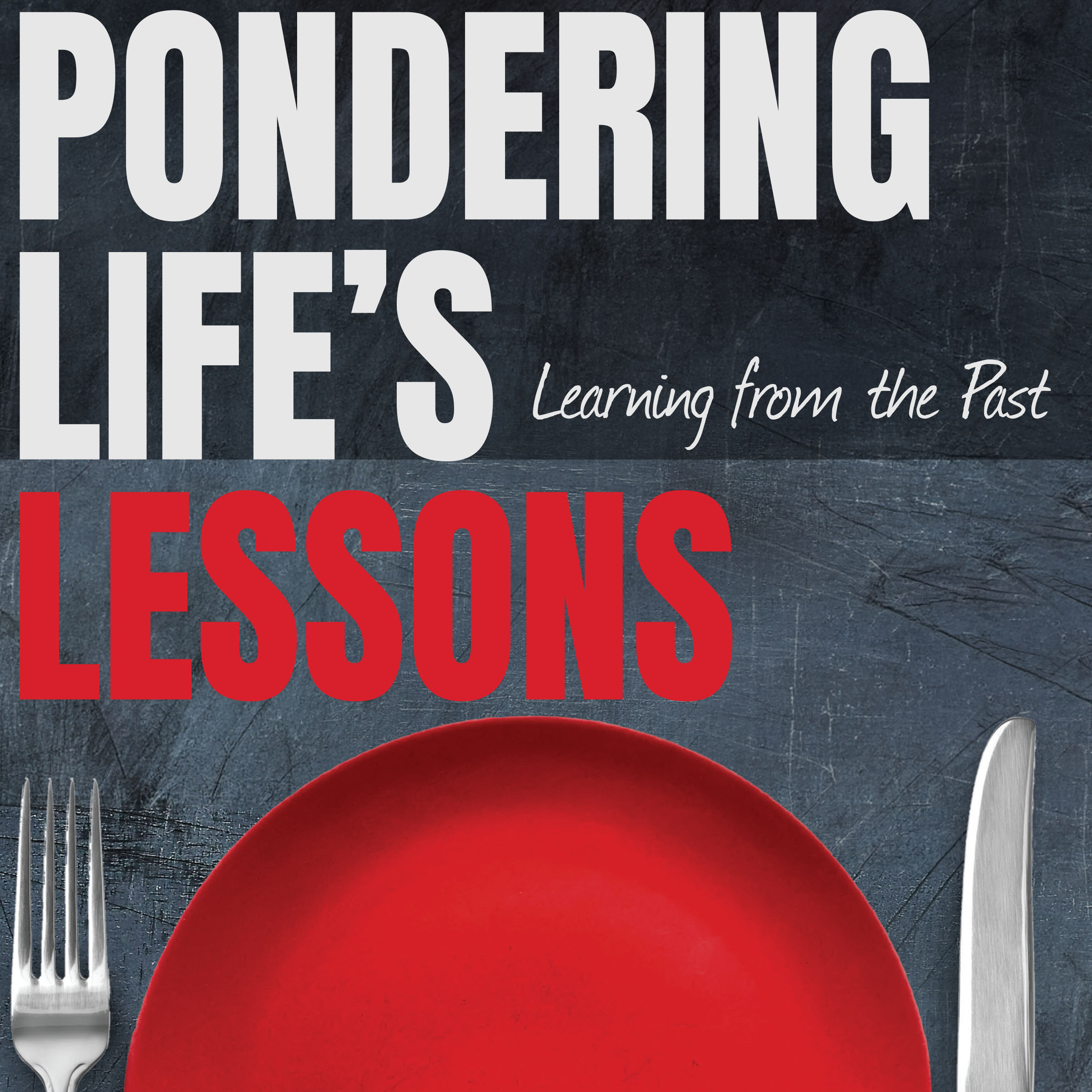
A Critique of Pondering Life’s Lessons by Robert Tebo

Concise takeaway: Pondering Life’s Lessons is a warm, earnest, and deeply human collection of reflections, but its strengths in sincerity and accessibility sometimes come at the cost of structural cohesion and deeper narrative tension. It succeeds most when it leans into lived experience rather than general advice.
What the book does well
1. A voice that feels lived‑in, not manufactured
Tebo writes the way people actually think when they’re alone with their coffee and their conscience. There’s no posturing, no literary acrobatics, no attempt to impress. That plain spoken honesty is the book’s greatest strength. It invites readers to lower their shoulders and settle in.
2. Emotional clarity without melodrama
The reflections on aging, loss, reinvention, and resilience are delivered with a steady hand. Tebo avoids the trap of turning hardship into spectacle. Instead, he treats experience as something to be examined, not dramatized. Readers who are tired of self‑help theatrics will appreciate the grounded tone.
3. Accessibility for a wide audience
The short, digestible chapters make the book ideal for group discussions, senior communities, or readers who prefer to take in wisdom in small, meaningful doses. The writing is approachable without being simplistic.
Where the book could go deeper
1. A tendency toward generalities
At times, the reflections drift into universal statements that feel less powerful than the personal stories behind them. When Tebo writes from the specificity of his own life — the moments that shaped him, the mistakes that taught him, the relationships that steadied him — the book comes alive. When he shifts into broader “life lesson” territory, the impact softens.
2. A loose structure that can feel meandering
The book’s episodic format is part of its charm, but it also means the narrative arc is more implied than intentional. Readers looking for a clear progression — from struggle to insight to transformation — may feel unanchored. A stronger thematic through line could have elevated the work from a collection of reflections to a cohesive memoir‑in‑lessons.
3. Occasional repetition of themes
Because the book circles around resilience, gratitude, and perspective, some ideas reappear in slightly different forms. While this mirrors the way wisdom is reinforced in real life, a tighter editorial hand could have sharpened the overall impact.
The book’s place in its genre
Pondering Life’s Lessons sits comfortably between memoir and reflective nonfiction. It’s not trying to be a grand philosophical treatise or a polished literary memoir. Instead, it offers something quieter: a companionable voice, a set of lived truths, and a reminder that wisdom doesn’t require spectacle.
Readers who appreciate authors like Mitch Albom, Parker Palmer, or Anne Lamott — writers who blend personal experience with gentle insight — will find familiar terrain here, though Tebo’s style is more conversational and less crafted.
Overall assessment
This is a book that succeeds on the strength of its sincerity. It’s not perfect — nor does it pretend to be. Its imperfections are part of its charm. Tebo’s reflections feel like they were written by someone who has lived enough life to know what matters and is humble enough not to preach about it.
The critique, in short: When the book stays close to the author’s own story, it shines. When it drifts into generalities, it loses some of its power. But its heart is unmistakably in the right place, and that’s what readers will remember.
I plan to follow Al’s advice and keep my next book as personal as possible. I’ll probably ask for his guidance now and then, checking if each of my selections fits the overall theme. I try to write as if I’m talking with you. I’m having a conversation about the day’s events and what matters to me. I’ve learned that some of those things matter to you too. In the end, that’s what we have. Each other.
None of us are here forever. We’re just a blip on life’s screen, and it’s up to us to decide if that blip will make a difference. I want mine to matter.
Sounds like a plan, good luck! I am sure that we all will be interested in hearing about your progress over the summer.
Hope it’s the hottest summer on record so I can get the book sooner! Good luck, Bob.